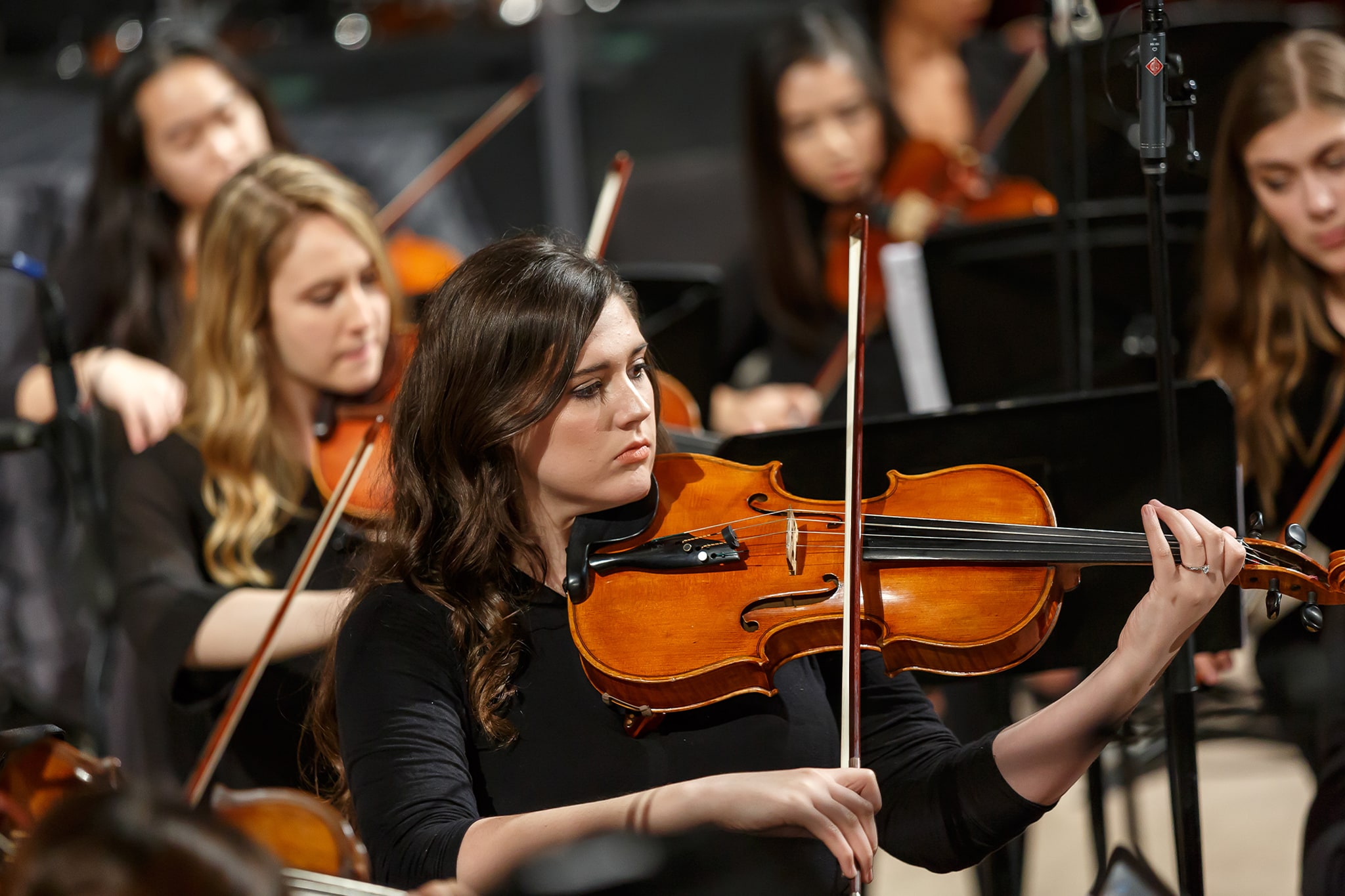
Artist Certificate Program
Earn an Artist Certificate at Azusa Pacific University
Designed for the advanced musician, the Artist Certificate program helps you develop your craft through training with our world-renowned faculty, enabling you to succeed as a professional musician or enter a doctoral or other advanced degree program. We’ll help open doors to industry connections, mentors, and performances, whether you’re preparing for a major competition or seeking professional tools to develop a career in the music industry.
The Artist Certificate is offered in:
- Instrumental Performance (wind, strings, percussion, piano, and select Chinese folk instruments)
- Classical Vocal Performance
- Conducting (Choral, Orchestral, Wind)
- Chamber Music
Program at a Glance
The School of the Arts nurtures students’ faith and talents so they develop and excel as world-class music professionals. The Artist Certificate program provides diligent focus on the musician’s chosen degree track through:
- Private lessons from our world-class faculty
- Chamber Music performances
- Large ensemble performances
- Seminars with professional musicians
- Frequent performing opportunities
All near the countless and diverse musical opportunities of the Los Angeles area.
Program Information
- Program Units: 24
- Program Length: 2 Years
- Cost per Unit: $525
- Base Cost: $12,600*
Location
- Azusa (Main Campus)

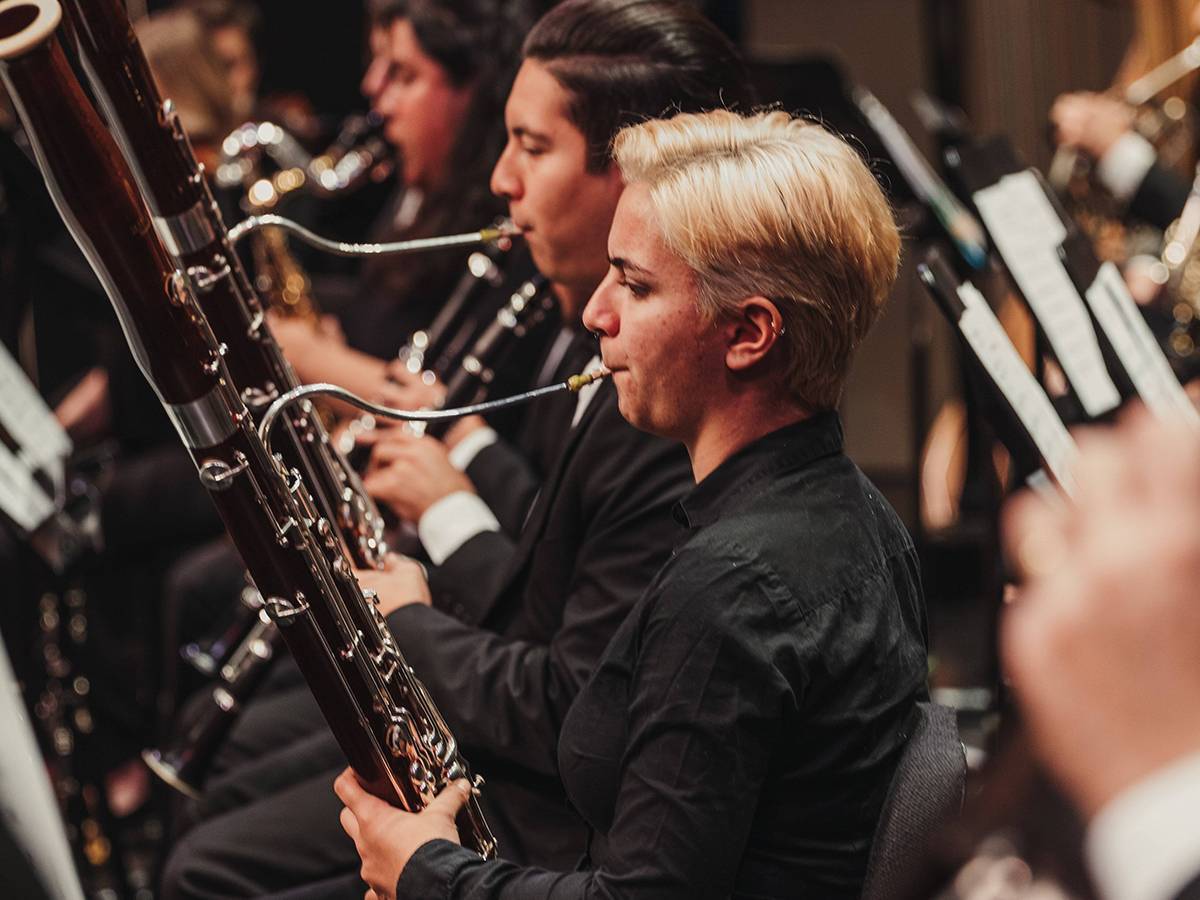
Gain Hands-on Experience
- Build musical skills to gain an advantage in the professional marketplace
- Take advantage of opportunities to compete and perform on the world stage
- Participate in one solo recital (or the equivalent) annually
- Forge connections with other students during reflection seminars each semester
By the Numbers
Get Started
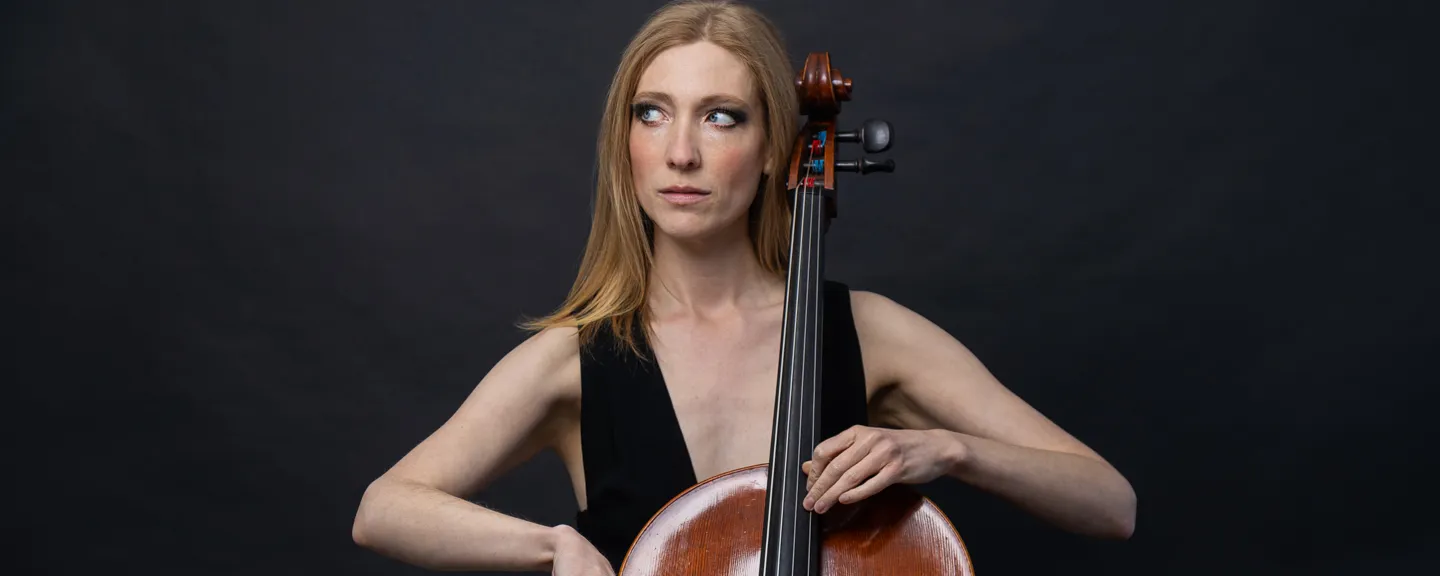
Karen Hall: Reimagining Classical Music Through Clowning
Karen Hall ‘09 capitalized on the experiences APU offered her as she studied music performance, preparing her for her unique career as both a professional cellist and clown.
Program Details
The Artist Certificate in Music Performance is designed for aspiring professional musicians who demonstrate outstanding performance ability and seek to advance their performance career. The certificate complements a traditional degree, may prepare the student for additional formal study, and gives the performer the mentor, performance, and industry connections for a career in performing arts.
Browse the tabs below—if you have questions, visit the Student Services Center page, and we’ll make sure you get the info you need.
Prerequisites
In order to apply for the Artist Certificate program, applicants have:
- Bachelor’s degree or international equivalent required; master’s degree preferred (exceptions are made at the discretion of the dean or associate dean)
- Conversational English proficiency with a minimum TOEFL iBT score of 50, with minimum subscores of 15 in Speaking and 15 in Listening.
Program Standards
Participants in the Artist Certificate program are held accountable to high standards of professionalism and artistry as a collegial member of the community of musicians at APU. This includes, but is not limited to, demonstrating an exemplary work ethic, making every effort to communicate clearly with performing colleagues and faculty, prompt and regular attendance at rehearsals and Reflection Seminars, and a professional approach to the responsibilities of playing a leading role in the School of the Arts.
Because of the nature of music making, these standards may be higher than those described in the university’s Graduate Catalog, which every Artist Certificate participant agrees to abide by when they enter the program. Participants who do not fulfill these Artist Certificate requirements satisfactorily according to the faculty responsible for any given area may be put on probation in the program. In extreme circumstances, participants may be dismissed summarily from the program without warning.
Application Requirements
- Azusa Pacific University Application
- $45 nonrefundable application fee
- Official transcripts for bachelor’s degree: Students must have at least 15 units of transferable college credit to qualify for the program. If a student does not have 15 units of transferable credit, they need to contact the admissions representative for further instructions.
- One recommendation from an instructor in your instrument area
- Résumé (must include professional experience and repertoire list)
- Personal statement: one-page essay that addresses your career goals, why you are interested in APU and what you think you will contribute to the APU community
- Slideroom audition submission
Application Deadlines
- Fall Semester: April 1
- Spring Semester: September 15
Auditions
Learn more about audition requirements below.
International Students
International students are held accountable to the standards set by the APU International Center and the U.S. Department of Homeland Security. All international students are required to:
- Attend Global Student Orientation hosted by APU’s International Students and Scholars (ISS)
- Attend the Artist Certificate Orientation and Registration described in the acceptance letter
- Purchase and maintain health insurance throughout the school year
- Maintain full-time student status throughout the school year
- Maintain immigration status with ISS
International students who do not fulfill the standards mentioned above to satisfaction will be put on probation in the program. In extreme circumstances, participants will be considered “out of status” and may be dismissed summarily from the program without warning.
Solo Performance
- Piano, violin, viola, cello: one 60–70-minute APU solo recital annually
- String bass: one 60–70-minute solo recital annually, or chamber recital
- Winds, brass, percussion: one 60–70-minute APU solo recital annually
Chamber Music Ensemble
- Piano, strings, winds, brass, percussion: one group every semester. Chamber groups receive one hour weekly coaching by faculty.
- Piano: 5-8 hours of accompanying per week as assigned
- Strings: symphony orchestra, studio orchestra, other ensembles as assigned
- Winds, brass, percussion: symphony orchestra, wind ensemble, studio orchestra, other ensembles as assigned
Reflection Seminars
Six 2-hour seminars every semester
Jury Evaluations
All certificate students are to perform a jury at the end of each semester unless a solo recital is performed that semester. Only a full-length solo recital may serve to take the place of a jury.
External Performances
One major non-APU competition or audition annually is expected. Active participation in pre-professional/professional musical opportunities or other outside performances is strongly encouraged.
For more information, contact the Student Services Center at (626) 815-2020.
Scholarships and Grants
Scholarships and grants are considered gift aid, meaning they do not require repayment. These awards may come from federal, state, institutional, or private sources. Scholarships are often merit-based and awarded for academic achievement, leadership, or other demonstrated talents.
While APU does award scholarships, you can also find external scholarship opportunities through websites such as Finaid and Fastweb. Contact the Student Services Center about scholarships offered through APU departments or local organizations.
Student Employment
Along with gift aid and student loans, you can apply for on-campus student employment opportunities to earn additional income to pay for education-related expenses. As an APU student, you can also find work off campus in the surrounding community.
Military and Veterans Benefits
If you are a veteran, serve in the military, or qualify as a spouse or dependent, you may access financial assistance that helps cover the cost of tuition, housing, and books. As a Yellow Ribbon and Military Friendly School, APU offers the support and flexibility needed to help you complete your bachelor’s degree.
Net Price Calculator
We’re committed to helping you understand the value of the APU experience early in the college search process. Once you’ve explored the financial aid opportunities available, take the next step by estimating your cost to attend. The Net Price Calculator provides a personalized estimate based on the information you share, so you can start planning today!
To view specific requirements and coursework information, visit the current academic catalog:
Audition Requirements
- Solo audition of 30 minutes minimum
- Live auditions preferred when possible for local applicants
- Audition videos/links must be submitted in Slideroom application
- Performance must draw from the approved Audition Repertoire listed according to instrument below
Audition Repertoire by Instrument
Woodwinds
Choose three of the following from your chosen instrument category below.
Flute
- Bach: B minor Sonata
- Mozart: Concerto in D Major or G Major
- Dutilleux: Sonatine
- Prokofiev: Sonata
- Other approved standard repertoire
Oboe
- Mozart: Concerto in C Major
- Cimarosa: Concerto
- Hindemith: Sonata
- Britten: Metamorphosis
- Strauss: Concerto
- Movement of a Bach sonata
Bassoon
- Bach: Excerpt from one of the Cello Suites
- Mozart: Concerto in B flat Major
- Vivaldi: Concerto in E minor or A minor
- Milde: Scale Studies and Etudes
Clarinet
- Brahms: Sonatas No. 1 and 2
- Mozart: Concerto, K. 622
- Debussy: Premiere Rhapsodie
- Stravinsky: Three Pieces
- Weber: Concertos No. 1 or 2, Grand Duo Concertant
- Rose: 32 Etudes
Saxophone
- Creston: Sonata, Rhapsodie
- Glazounov: Concerto
- Heiden: Sonata
- Ibert: Concertino de Camera
- Muczynski: Sonata
- Bozza: Etudes
Brass
Trumpet
- Fasch: Concerto in D
- Haydn: Trumpet Concerto
- Hummel: Trumpet Concerto
- Honegger: Intrada
- Charlier: Etudes
French Horn
- Bach: Selection from Cello Suite
- Beethoven: Sonata
- Bozza: En Fore
- Gliere: Concerto
- Hindemith: Concerto
- Kling: Etudes
- Alphonse: Books 4-6
- Mozart: Horn Concerto No. 2 or No. 3
- Strauss: Concerto No. 1 or No. 2
- V. Reynolds: 48 Etudes
Trombone
- Bourgeouis: Concerto
- Bozza: Ballade
- Ewazen: Sonata
- Grondahl: Concerto
- Saint-Saens: Cavatine
- Hindemith: Sonata (1st or 3rd movement)
- DeFaye: Deux Danses
- Ewazen: Sonata
- Martin: Ballade
- Rimsky Korsakov: Concerto (1st movement)
- Bach: Unaccompanied Cello Suites
Tuba
- Bordogni: Solfeggi for Tuba
- Broughton: Sonata
- Plog: Three Miniatures
- Vaughan Williams: Concerto
- John Williams: Concerto
Excerpts:
- Berlioz: Overture to Benvenuto Cellini (#16 to 5 measures after #19)
- Gershwin: An American in Paris (#67 to #68)
- Respighi: Fountains of Rome (#11 to #14; 13 measures after #14 to Largamente
Percussion
For specific questions, please contact percussion professor William Schlitt at [email protected]
Snare Drum
- Etudes by Cirone, Peters, Delecuse
- Multiple Percussion
- Solo pieces by Kraft or other approved composers
Marimba
- Sonata, by Bach
- Multiple mallet solos by approved composers
- Concertos by approved composers
Timpani
- Solos by Carroll, Carter, or other approved composers
Guitar
Choose two from the following:
- A dance or two from a Lute Suite, Cello Suite, Violin Sonata, or Partita by J.S. Bach
- A major classical work of length by Sor (Theme and Variations, Sonata, or Grand Solo), Giuliani (Theme and Variations, Sonata, Grand Overture), Aguado (Rondo in A minor)
- A major Romantic/Neo-classic work of length by Ponce, Tansman, Castelnuovo-Tedesco. A sonata or suite from any of these composers will suffice
- A modern work of length by Brouwer, Takamitsu, Walton, Britten, or Smith-Brindle (or comparable work)
Piano
For specific questions, contact [email protected].
Applicants must perform the following:
- One Prelude and Fugue from The Well Tempered Clavier by J.S. Bach
- One complete classical sonata by Haydn, Mozart, Beethoven or Schubert (excluding Beethoven “Opus 49”)
- One large-scale work from the romantic period
- One virtuoso etude
The applicant may also be required to demonstrate sight-reading skills.
Strings
For specific questions, contact Director of String Studies, Marek Szpakiewicz, at [email protected].
Violin
Each of the following (four selections total):
- Two contrasting movements of a Bach unaccompanied Sonata or Partita
- One movement of a standard violin concerto
- One virtuoso piece/caprice/etude
Viola
Each of the following (four selections total):
- Two contrasting movements of either a Bach cello Suite or a Bach violin Sonata or Partita
- One movement of a standard viola sonata
- One movement of a standard concerto written for viola
Cello
Each of the following (four selections total):
- Two contrasting movements of Bach cello suites
- One movement from a standard cello sonata
- One movement from a standard cello concerto
Double Bass
Each of the following (three selections total):
- One movement of Bach transcribed solo cello, key of applicant’s choice
- One movement of a standard concerto
- One movement of a sonata with piano
Harp
- Tchaikovsky Nutcracker Suite solo
- Two contrasting works: (1) 17th or 18th century composer, (2) 20th century composer
- Etude (e.g. Bochsa Etude No. 1 from Cinquante Etudes Op. 34, Book One)
- Orchestral excerpt (e.g. Waltz of the Flowers harp cadenza from the Nutcracker Suite)
Orchestral Conducting
For any questions, contact the Director of Orchestral Conducting, Christopher Russell, at [email protected]
- YouTube links to videos featuring rehearsal episodes and performance footage. Repertoire at the discretion of the applicant but should show a range of orchestral repertoire. Footage must show the conductor in front view.
- A works list of pieces studied and performed
A live audition and/or Zoom interview may also be requested.
- Azusa Pacific University is accredited by the WASC Senior College and University Commission (WSCUC).
- The School of the Arts programs are accredited by the National Association of Schools of Music (NASM)
Career Outlooks and Outcomes
Featured Faculty
Mark Gasbarro
Instructor, Department of Music; Composition and Piano
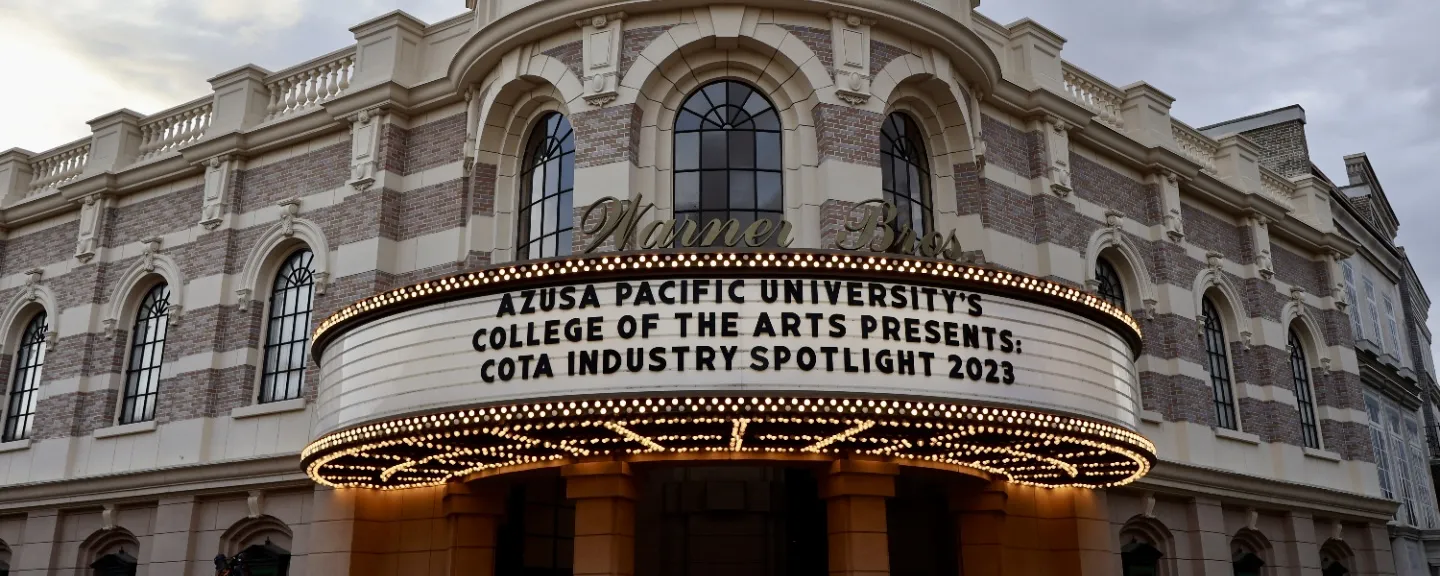
School of the Arts Hosts Industry Spotlight at Warner Bros. Studios
Art students showcased their work at the School of the Arts Industry Spotlight hosted at the legendary Warner Bros. studios, including original comic books they illustrated by hand.